What You Can Learn About Strategy From Elon Musk’s SpaceX
#19 What You Can Learn About Strategy From Elon Musk’s SpaceX
This series is about what I’m learning, observing and experiencing while building my startup Saent (pronounce “Saint”). The good, the bad and especially the ugly, each time in under 500 words.
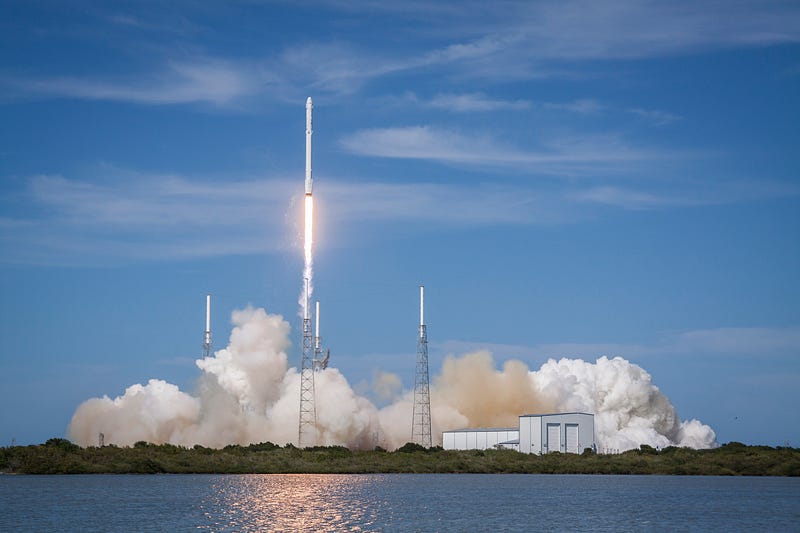
It takes quite a bit of “strategy” to get this rocket to liftoff.
When I mention strategy, terms like vision, planning and pivot might come to mind. You probably wouldn’t think of this:
“I am going to wait for the next big thing.”
That’s what Steve Jobs answered when he was asked about his strategy for Apple in 1998. We now know that’s exactly what Jobs did; he did it with the iPod, and then again with the iPhone.
“Good strategy almost always looks this simple and obvious and does not take a thick deck of PowerPoint slides to explain. […] Instead, a talented leader identifies the one or two critical issues in the situation and then focuses and concentrates action and resources on them.” - Richard Rumelt in Good Strategy / Bad Strategy
Enter Elon Musk
Wait But Why has written a rather extensive series on Elon Musk. The first part is about how Musk is building Tesla, which is impressive to say the least. But then the second half explains what he does with the other 50% of his time: SpaceX.
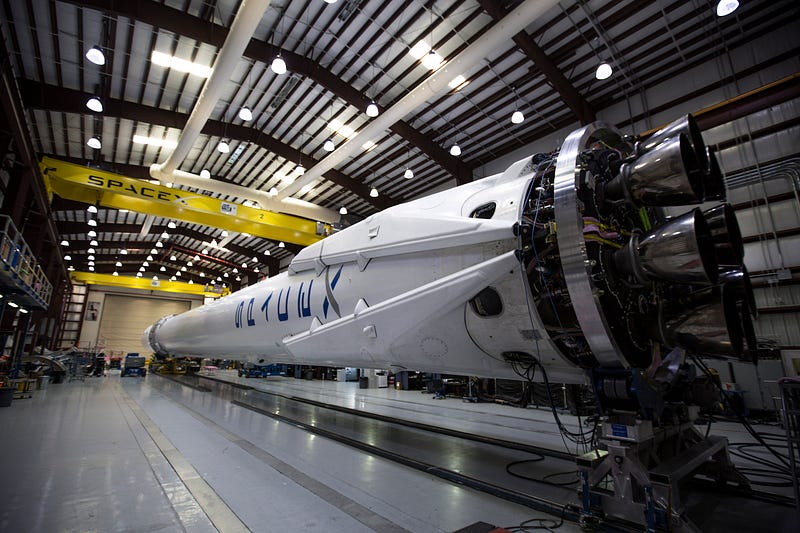
Elon Musk is in the space business with SpaceX in order to save the human race (I’m not kidding).
SpaceX makes Tesla, Apple, Steve Jobs and whatever most other people on this planet are doing look insignificant.
SpaceX wants to colonize Mars by sending 1,000,000 humans to live there within the next decades.
Why do that?
To save the human race from extinction, which will certainly happen if we just hang around here on earth forever.
While this might sound crazy at first, reading through the Wait But Why articles actually makes it all sound logical and doable:
In order to get a 1,000,000 people to Mars, we need to bring the travel cost per person down to $500,000.
That’s it.
In these few sentences, I’ve explained you the why, what and how of SpaceX.
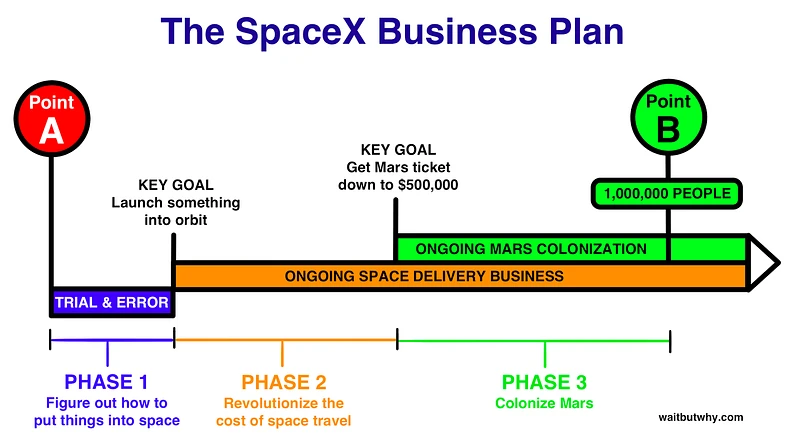
The SpaceX Business Plan visualised, courtesy of Wait But Why.
While reading the Wait But Why articles, the last thing on my mind was strategy. But once finished, something started to dawn on me: this is an amazing example of brilliant strategy hiding in plain sight.
Musk has taken on one of the most, if not the most, challenging project anyone could ever think of and has boiled it down to a simple plan. He has done that so well, you would almost forget how complex an undertaking this actually is:
- Why Mars and not some other planet?
- How the hell do you get people to Mars?
- How on earth can people live there? (pun intended)
- Why 1,000,000 people at a price of $500,000 per person?
- How do you even launch a rocket?
Stuff like that.
Back to planet earth
Which brings us back to our own insignificant struggles and ambitions: I needed 3,000 words to explain our crowdfunding strategy. And I’m currently writing an even lengthier business plan to prepare for our next funding round.
Makes you think, right?
Elon Musk needs a few sentences to explain how he’s going to save the human race. Steve Jobs needed just one sentence to sum up his revival strategy for Apple. Perhaps I should also be able to sum up Saent’s long-term plans a few paragraphs at most?
Ready to give Saent a try?
Download the free app now to start working smarter, being more focused, and developing better work habits.
You can download the free version of the Saent app now by clicking the image above.
Or buy your Saent button (now shipping!) with a 12-month subscription to the Premium Saent app included!